
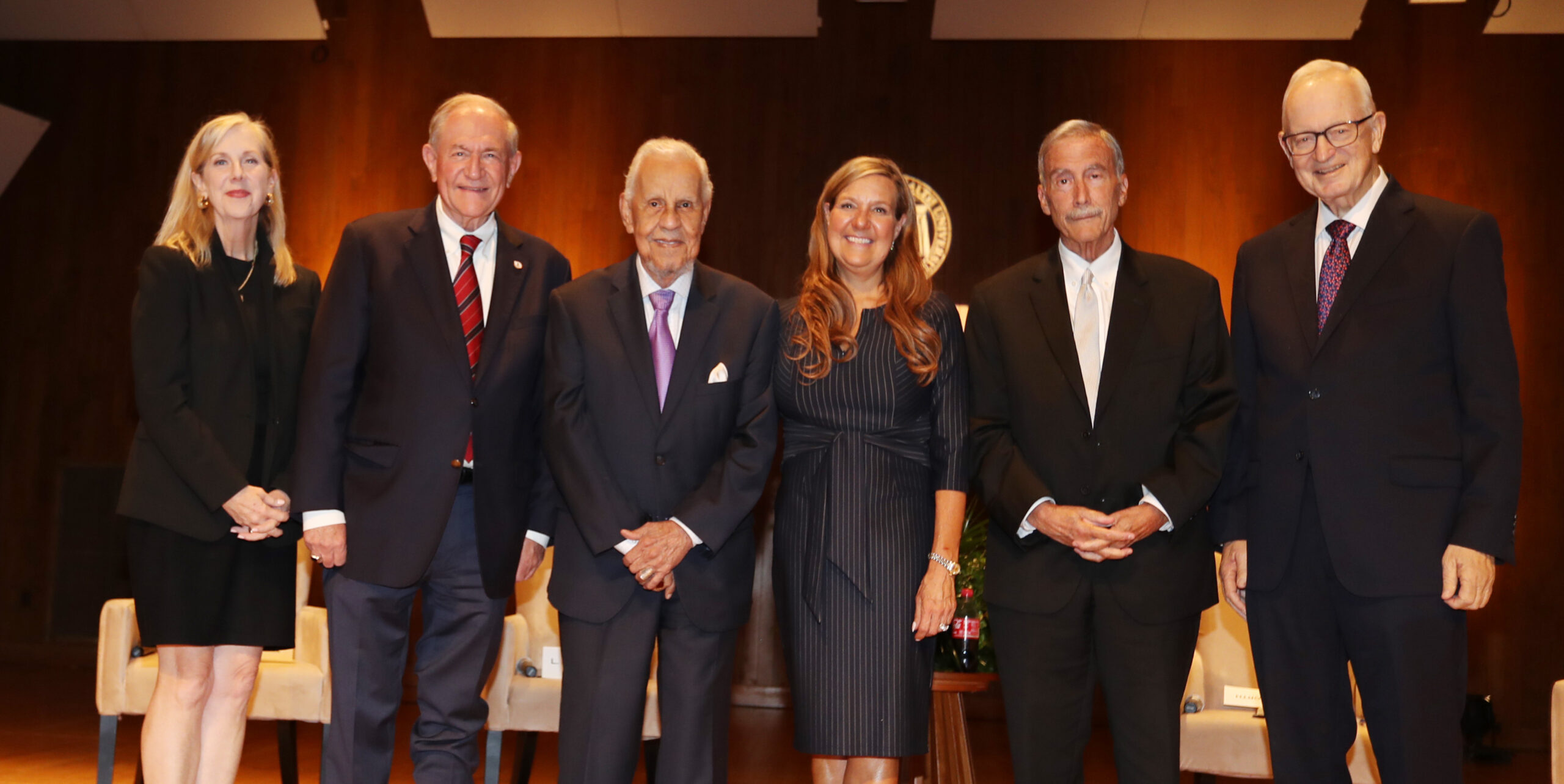
Yesterday, I had the privilege of participating in a symposium, Virginia at 250: Leadership, Democracy and the Future of Our Commonwealth, examining our nation at 250 and Virginia’s place in the continuing American experiment. The occasion invited reflection upon where we have been. More importantly, it challenged us to consider where we are going.
Theodore H. White once observed that “America is in search of itself.” I have long subscribed to that observation.
After 250 years, the search continues.
Our nation was founded upon extraordinary ideals while denying those ideals to millions. We declared that all men were created equal while slavery was protected by law. Even after emancipation, generations of Americans were denied equal access to the ballot box, education, housing, employment and justice.
The American story has therefore always involved the struggle to make our practices conform to our promises.
I have witnessed a remarkable portion of that struggle.
I was born into a Virginia governed by segregation. I attended segregated schools and served in a military that had only recently been integrated. I entered politics when the prospect of a Black governor of Virginia would have seemed impossible to many.
Yet I lived to become one.
That progress did not occur simply because time passed. Time alone corrects nothing. Progress came because people acted. They marched, voted, organized, challenged unjust laws and demanded that their government do better.
Throughout my years in public life, I have urged citizens to demand what is right and criticize what is wrong.
That remains our responsibility at 250.
Criticism is not cynicism. We criticize what is wrong because we believe better is possible. We demand what is right because citizenship requires more than observing government from the Sidelines.
Democracy requires vigilance.
Rights secured by one generation are not guaranteed permanence in the next. Institutions are only as strong as those entrusted with them and the citizens willing to hold them accountable. “Eternal vigilance is the price of liberty” remains as relevant today as ever.
That vigilance must extend to leadership.
Public office is a public trust. Those elected to serve should be judged not simply by their promises, their political affiliations or their popularity, but by whether the people they represent are better served because of their leadership.
We have also reached a point where disagreement too often becomes an excuse not to communicate. I have disagreed with Democrats and Republicans, supporters and opponents. Disagreement is not the enemy of democracy. The unwillingness to listen, work together and accept responsibility is far more dangerous.
At 250, America should ask difficult questions of itself.
Are we educating our children to inherit this democracy? Are we protecting every citizen’s right to participate in it? Are we demanding integrity and accountability from those entrusted with public office? Are we capable of disagreeing without abandoning our common purpose? These are not Democratic questions or Republican questions.
They are American questions.
The commemoration of our 250th anniversary must therefore amount to more than ceremonies, speeches and celebrations. We honor those who came before us not merely by remembering what they accomplished, but by continuing the work they left unfinished.
At 95, I have seen enough of America to know both its shortcomings and its possibilities. I have witnessed doors once closed by law opened by determination. I have seen rights once denied become rights protected. I have also seen progress once thought secure require defending again.
America remains in search of itself. Perhaps it always will.
Each generation must decide what America will mean in its time.
Our responsibility is simple, though not easy.
Demand what is right. Criticize what is wrong. Remain eternally vigilant in defense of liberty. And never stop expecting America to live up to its promise.
At 250, the search continues.
What America finds will depend upon ALL of us.
Stay tuned.


